Obstruction Lighting. Engineered in Germany. Installed Worldwide.


Lanthan manufactures aviation obstruction lighting systems — also referred to as obstacle lights per ICAO Annex 14 — for wind turbines, high-rise buildings, cranes and industrial installations — with more than 100,000 installed lights across seven continents.

100,000+

Installed lights worldwide

7

Continents

90%

In-house production

Since 2004

Experience

Your application

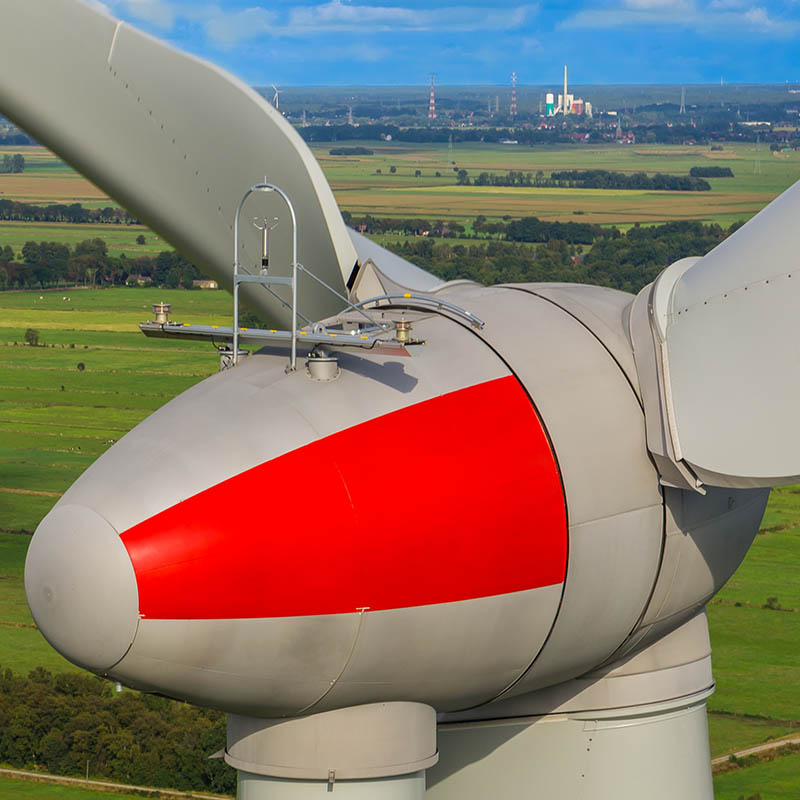
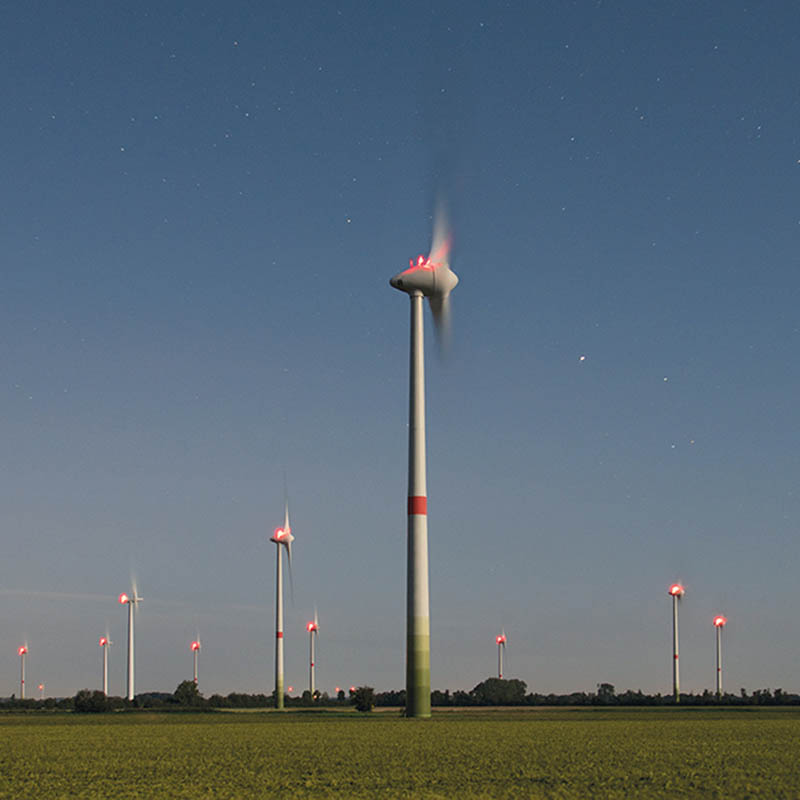
Obstruction lighting systems for turbine manufacturers and operators — including aircraft detection lighting (ADLS) and retrofit solutions for existing installations.

→ Wind energy

From landmark skyscrapers to transmission towers. Lanthan systems are installed on 25% of the Frankfurt skyline and comply with ICAO Annex 14 obstacle light requirements and national regulations worldwide.

→ Buildings & infrastructure

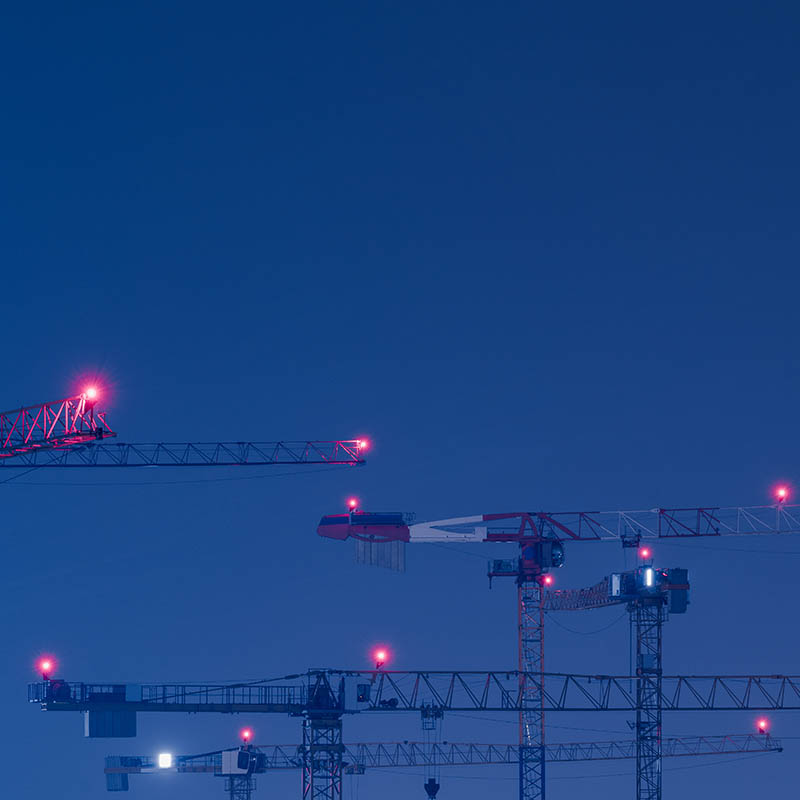
Plug-and-play solutions for tower cranes and mobile cranes — with integrated anemometer and online configurator.

→ Cranes

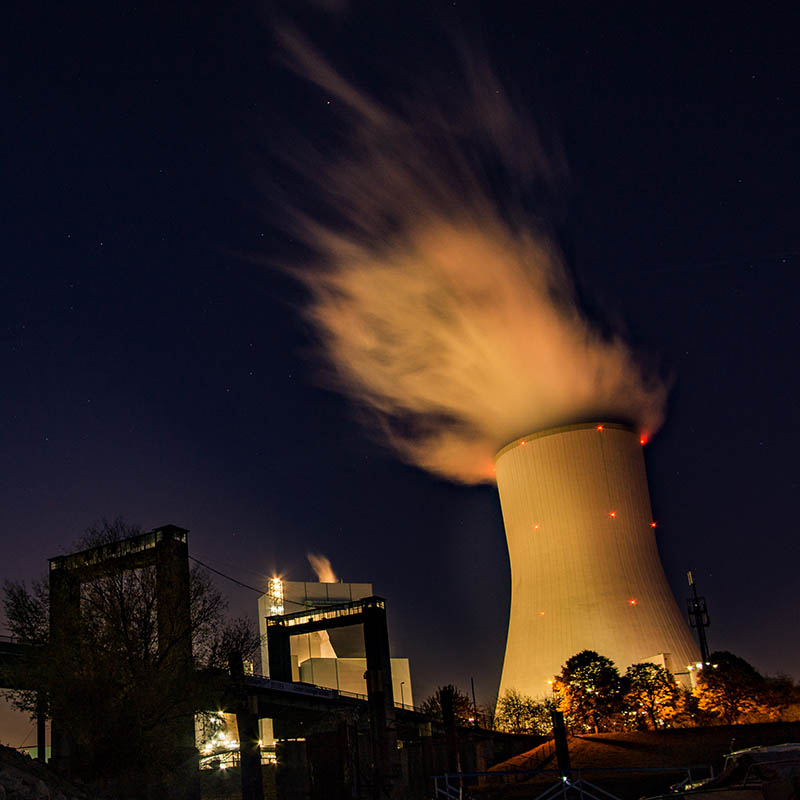
Obstruction lighting for power plants, chimneys, flare stacks and industrial facilities — compliant with ICAO Annex 14 and local aviation authority requirements.

→ Industry

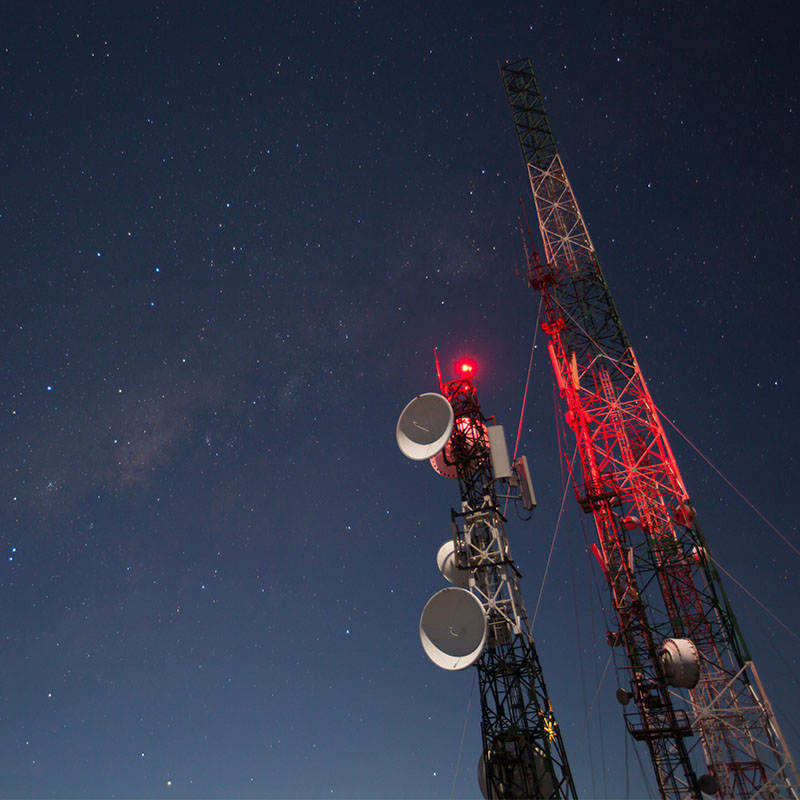
Marking systems for mobile masts and microwave towers — trusted by network operators and tower companies across Europe.

→ Telecom

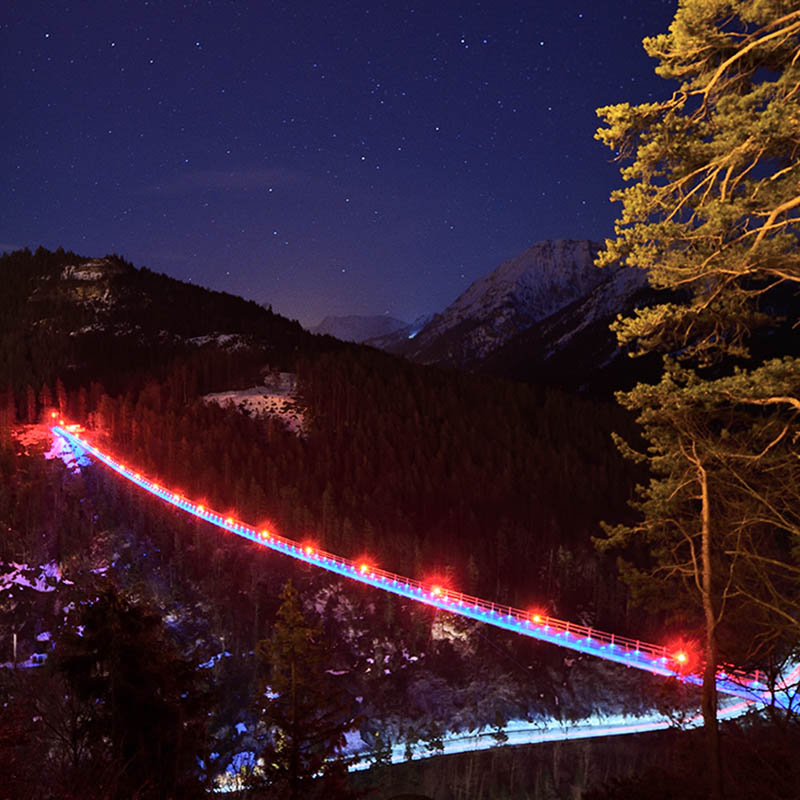
Specialist solutions for exposed and high-altitude installations — from alpine cable cars to iconic suspension bridges.

→ Ropeways & bridges

Why Lanthan

We manufacture ourselves.

90% of production takes place in our own facilities in Germany. That means consistent quality, reliable delivery and long-term support — without the risk of a supplier discontinuing a product line.

Tested and certified.

ISO 9001:2015, ICAO, STAC AVV, APQP4Wind. Our systems meet the most demanding international standards — and have been proven in the field more than 100,000 times.

We support systems others have abandoned.

Many manufacturers have discontinued support for legacy obstruction lighting — Lanthan offers drop-in retrofit solutions using the same form factor, brackets and connectors. Minimal installation time. No structural modifications required.

Built for aircraft detection lighting.

ADLS is mandatory in Germany and increasingly required across Netherlands, UK and other markets. Lanthan systems integrate ADLS natively — communicating across the wind farm via network or LTE-Mesh, without replacing existing infrastructure.

Selected references

  • Windenergy: Main OEM supplier

    Wind energy · International

  • Frankfurt Skyline — 25% market share

    Buildings · Frankfurt, Germany

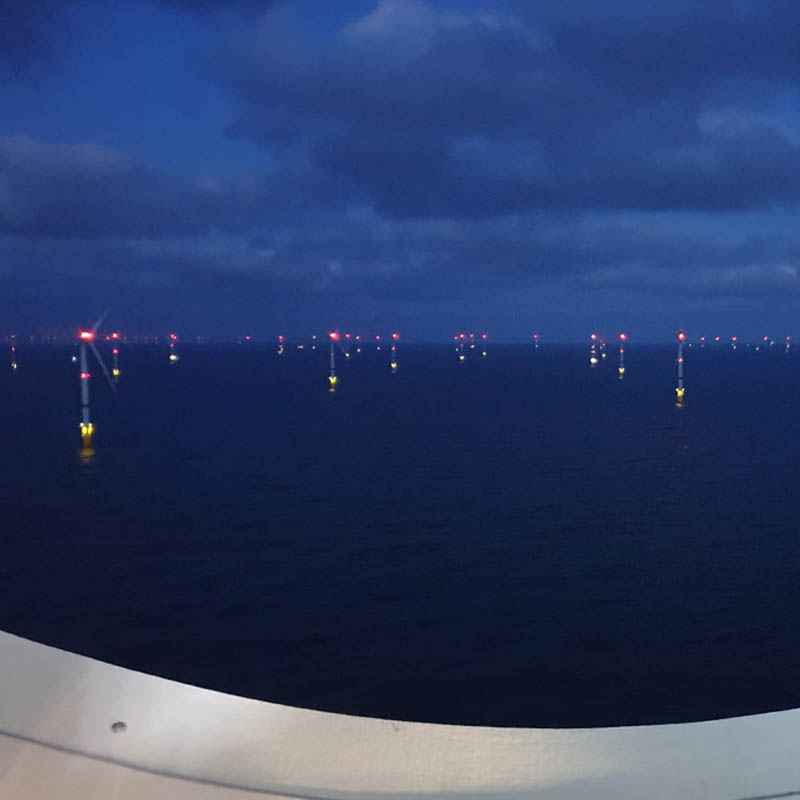
  • Retrofitted Windfarms

    Offshore wind energy · North Sea

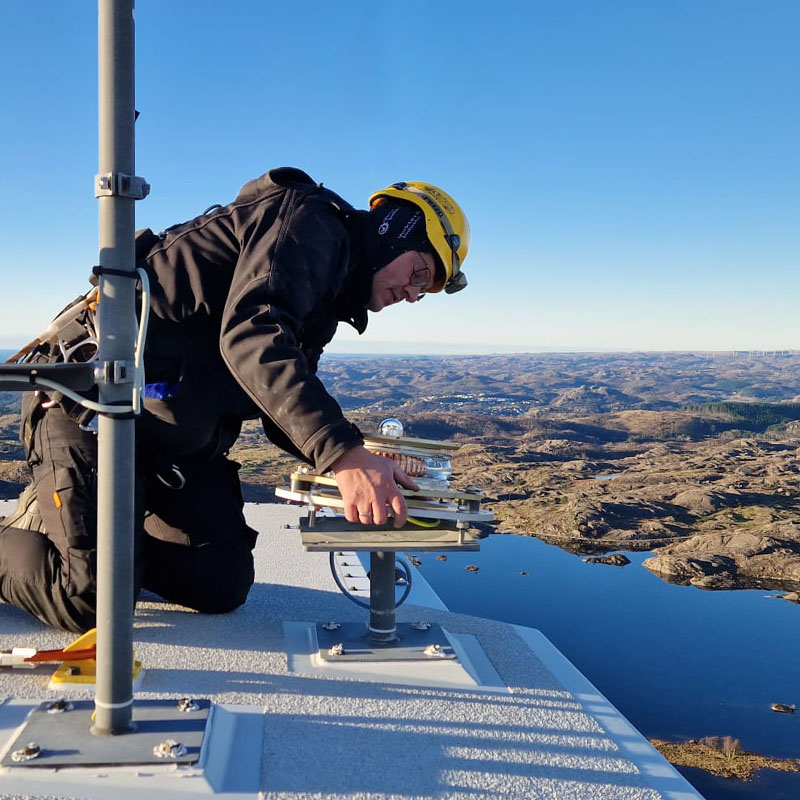
  • Windfarm Egersund — 33 × Siemens 3XM114

    Retrofit · Norway

Your next project

Whether new installation, retrofit or international tender — we support you from initial planning through to commissioning. Get in touch.

Frequently asked questions

What is aviation obstruction lighting?

Aviation obstruction lighting refers to systems of warning lights installed on tall structures such as wind turbines, buildings, cranes, chimneys and transmission towers to make them visible to aircraft pilots. Obstruction lighting systems typically include the lights themselves, a monitoring unit and an emergency power supply. They are required by law once a structure exceeds a defined height above ground level.

What is the difference between an obstruction light and an obstacle light?

Both terms refer to the same type of aviation warning light used to mark tall structures. Obstacle light is the official ICAO Annex 14 terminology used in international standards and European regulations. Obstruction light originates from FAA nomenclature but has become the widely used industry term in English-speaking markets worldwide. Lanthan systems comply with both ICAO Annex 14 and FAA standards.

From what height is obstruction lighting mandatory?

Height thresholds vary by country. In Germany, obstruction lighting is required for structures exceeding 100 m above ground level outside built-up areas, and 150 m within built-up areas (AVV 2023). Under ICAO Annex 14, structures that penetrate an obstacle limitation surface must be marked regardless of height. Always consult the relevant national aviation authority for site-specific requirements.

What are the ICAO Annex 14 light intensity categories?

ICAO Annex 14 defines three intensity categories for obstacle lights. Low intensity (Type A/B) for structures up to 45 m — steady red, minimum 10 cd. Medium intensity (Type A/B/C) for structures 45-150 m — flashing white by day, red at night, 2000-20000 cd. High intensity (Type A/B) for structures above 150 m — flashing white, up to 200000 cd. IThe levels may Variyy from country to country since the ICAO rules are a recommendation.

What is aircraft detection lighting (ADLS)?

Aircraft detection lighting (ADLS) activates obstruction lights only when an aircraft is in the vicinity, based on transponder signals. It significantly reduces light emissions and improves community acceptance near wind farms. ADLS is mandatory for new wind energy installations in Germany and increasingly required in UK, Netherlands, Austria and other European markets.

How quickly must a failed obstruction light be repaired?

If obstruction lighting fails a NOTAM must be submitted to the relevant air navigation service provider. Repairs are usually required within 14 days. Systems must be monitored — either automatically or by visual inspection. Lanthan systems include integrated remote monitoring.

What certifications are required for obstruction lights in Europe?

Requirements vary by country. In Germany, lights must comply with AVV specifications and be approved by the BMDV. In France, STAC approval is required. Lanthan systems are state-certified for both Germany and France and comply with ICAO Annex 14 internationally.

Does Lanthan supply retrofit solutions for discontinued products?

Yes. Lanthan manufactures drop-in replacement systems for discontinued obstruction lighting products — using the same form factor, brackets and cable connections. Minimal installation time, no structural modifications required.